Player Ratings: USMNT cruise past Haiti in Poch's farewell
Pochettino’s USMNT sendoff ends with a 2-0 win over Haiti and a generational shift that’s hard to undo
Ok, I’m going to go out with gratitude. Ready?
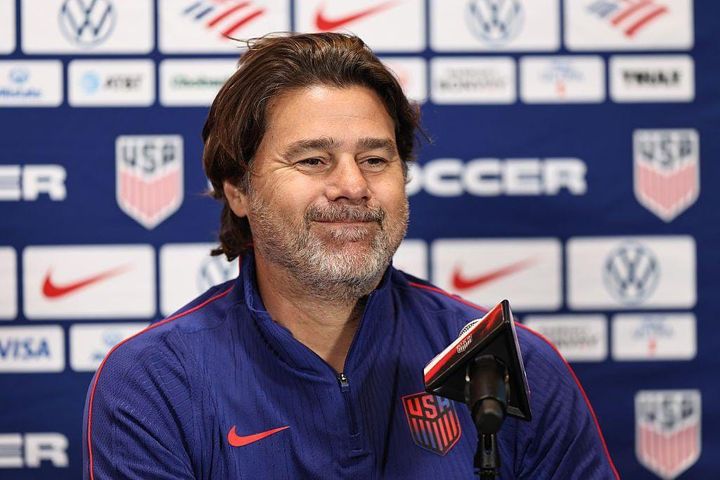
Mauricio Pochettino, who managed his last match for the US men’s national team tonight, did a number of good things for the program. For one, he brought name recognition to the job simply by being Mauricio Pochettino, a globally recognized manager with a resume that nobody in the program's history could really match. You could quibble about how important that actually is; I’m willing to hear either side of it. But I think where I’ve come down is that, for a program desperate to grow but lacking credibility in the eyes of the casuals that comprise the vast majority of the US fanbase, it mattered quite a bit.
For two, he implemented an attractive, aggressive style of play, and, credit where it's due, did so by building upon the foundation Gregg Berhalter had laid rather than coming in and lighting the whole thing on fire. Every coach in the world has an ego, and that includes Poch. But his wasn’t so big that he felt the need, at every turn, to show what a genius he is.
And three, he won three World Cup games. I will, of course, be forever haunted by the big one he lost – the 4-1 to Belgium was the worst, most humiliating World Cup loss since at least the 2-1 to Iran in 1998. It was a massive missed opportunity.
But the further we get from it, the easier it’s been for me to focus on the external factors heading up to that game, and the way we played before and after, and to accept that shit happens. So when I think of the 2026 World Cup these days I think of Paraguay, Australia and Bosnia, not Belgium.
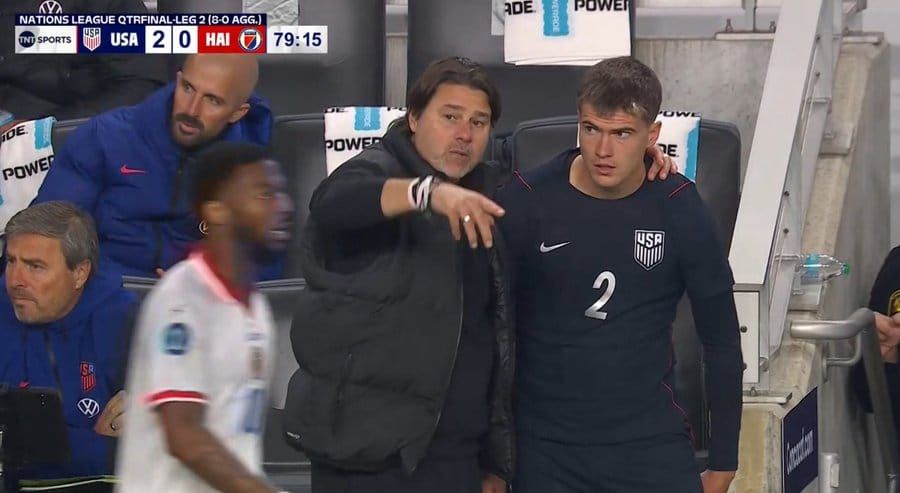
And I think I’m able to do that in part because of Poch's most important contribution: He shook up the status quo in the player pool last cycle, and kept it going through two camps in this cycle. The man opened the door for the kids and ushered them through – actual, generational integration with real minutes and real responsibility. A willingness to let young players make mistakes, learn on the job and, in some cases, shove established veterans down the depth chart.
The MLS player development pipeline set the preconditions to make that possible. The head coach had to make it work. That’s where we are now.
That's a pretty significant cultural shift for a program that has spent too much of its modern history struggling to transition from one timeline to the next, and too often erring conservative. It’s led to the same film on repeat: the guys in the usual spots get the opportunities, hierarchies calcify, and the next generation is integrated far too slowly. Sometimes that integration never comes.